
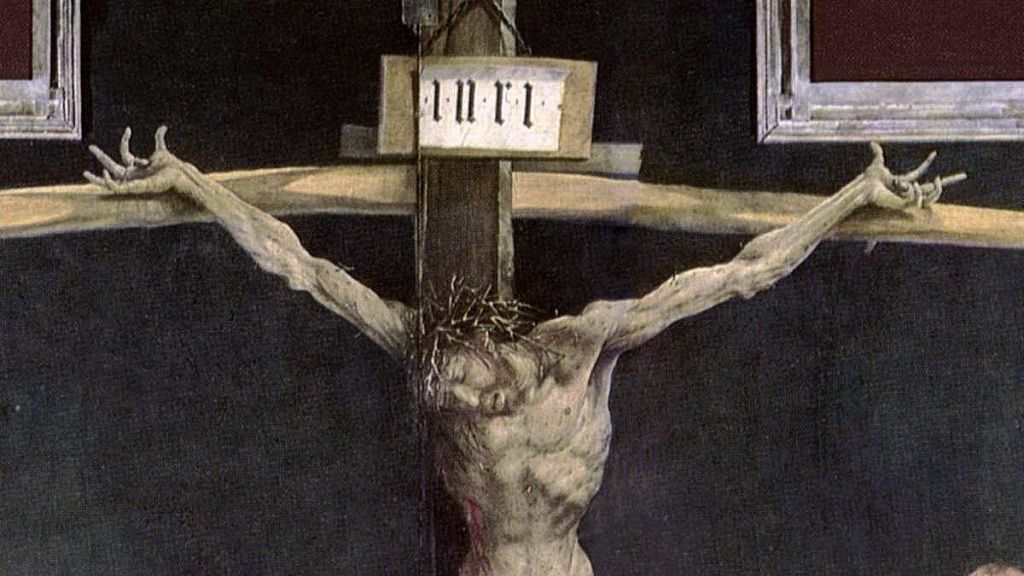
Christians will say that death by crucifixion was a horrible, humiliating way to die, and the death of Jesus was a tremendous sacrifice. We’re told that only because of this sacrifice can we get into heaven. But look a little closer. Here are seven reasons why the story doesn’t hold together.
1. Jesus’s pain was insignificant compared to an eternity of torment in hell for even a single person, and the Good Book tells us most of humanity’s billions of people are headed to hell.
2. The resurrection makes the story absurd. If Jesus died, there’s no miraculous resurrection, and if there’s a resurrection, there’s no sacrifice through death. Miracle or sacrifice—you can’t have both. The gospels don’t say he died for our sins but that he had a terrible weekend for our sins. It’s like making a grand display of generosity by writing a huge check to a charity and then stopping payment the next day.
3. This is the twenty-first century, and Bronze Age demands for human sacrifice no longer make sense. If God loves us deeply and wants to forgive us, couldn’t he just . . . forgive us? That’s how we do it, and that’s the lesson we get from the parable of the Prodigal Son where the father forgives the son even after being wronged by him. If that parable illustrates the correct approach to forgiveness, why can’t God follow it?
4. God can just forgive. In Jeremiah, he says, “I will forgive their wickedness and will remember their sins no more.” In Isaiah, God “blots out your transgressions . . . and remembers your sins no more.” There’s no need for Jesus’s perfect sacrifice.
5. Jesus’s sacrifice resolved the problem of original sin, the eating of the forbidden fruit. But since eating the fruit of the Tree of the Knowledge of Good and Evil is where moral knowledge comes from, who could blame Adam for making a moral mistake before eating it? And since Adam and Eve were first-time offenders, wouldn’t a warning be more appropriate for the crime of eating fruit?
6. If Jesus is perfect, his doing something noble is like water flowing downhill. It’s unremarkable since he’s only acting out of his nature. What else would a perfect being do? But in the right circumstance, many of us would risk our lives for a stranger, and that is a very different kind of sacrifice.
Selfish, imperfect people acting against their nature to make an unselfish sacrifice is far more remarkable than a perfect being acting in the only way he can, and yet people make sacrifices for others all the time. Why single out the actions of Jesus? Aren’t everyday noble actions by ordinary people more praiseworthy?
7. Substitutionary atonement makes no sense in Western justice. Whenever the justice system discovers that the wrong person was imprisoned for a crime, prosecutors don’t say, “Well, someone received punishment, and that’s what matters.” Instead, they search for the correct person to bring to justice. And is this the Good News? That nothing less than a human sacrifice will satisfy the rage of a Bronze Age god who created hell for those of us who pick incorrectly? God’s own book makes him look petty and cruel.
Continue to chapter 44.
Image credit: Mathis Gothart Grünewald (public domain) via Wikimedia
Notes
billions of people headed to hell: Matthew 7:13.
the parable of the Prodigal Son: Luke 15:11–32.
“I will forgive their wickedness and will remember their sins no more”: Jeremiah 31:34.
“[God] blots out your transgressions . . . and remembers your sins no more”: Isaiah 43:25.
 2-Minute Christianity

